
Contents
Arrival and Preparation
On June 28th, Aaron and I set off together for Andorra – accompanied by Aaron’s girlfriend, who kindly took care of meals and support throughout race week. After about twelve hours on the road, we arrived in La Massana on Saturday evening, right in the heart of the Pyrenees.
Since the race wouldn’t begin until Thursday, we used Sunday and Monday for course recon. On Sunday, we rode the first stage — and quickly agreed that the profile suited us well. The climbs were long but never too steep, the descents technical but manageable — a well-balanced mix.
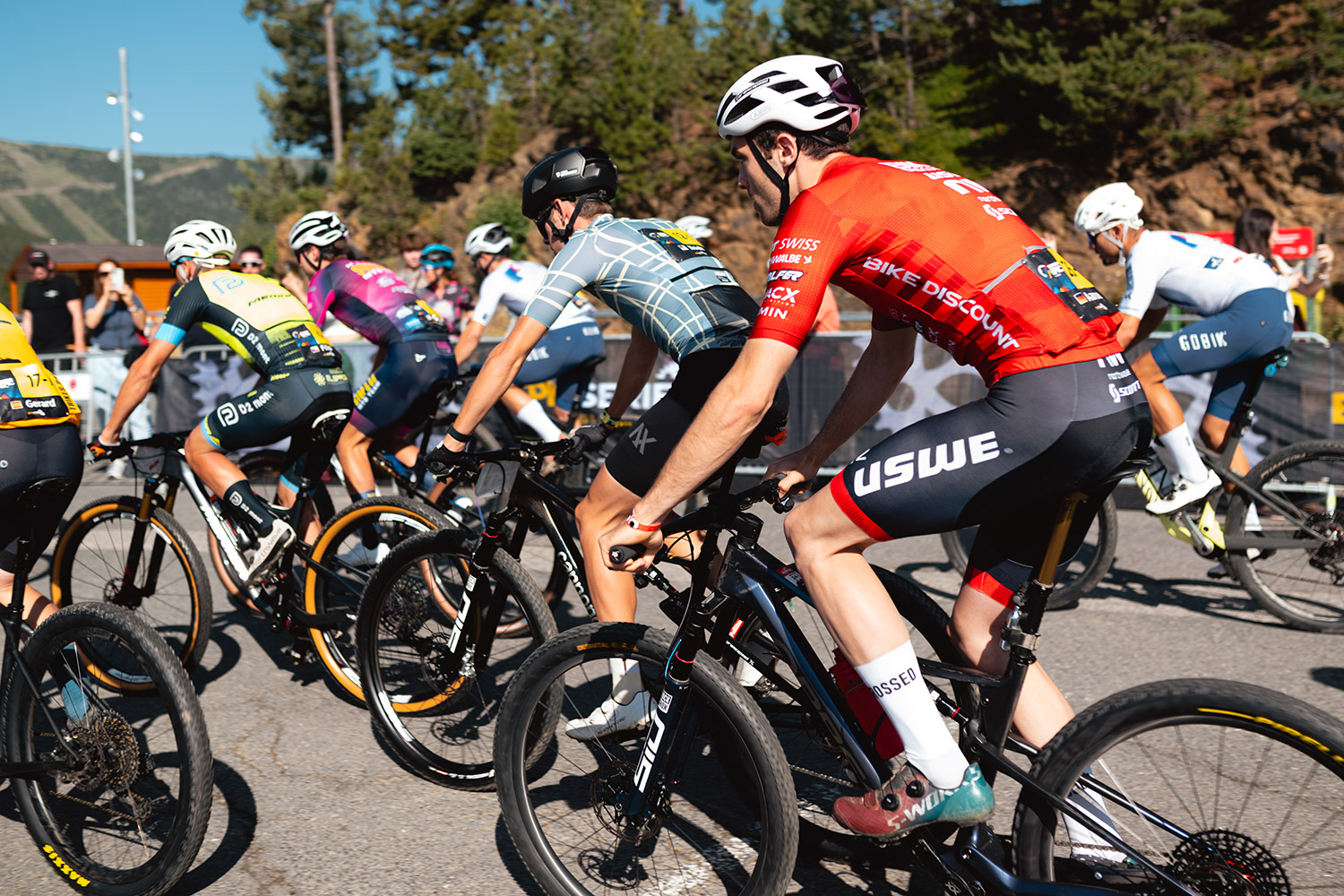
Our equipment also gave us confidence. We both rode with 36-tooth chainrings and the new Continental Dubnital tires. The lightweight construction really paid off on the climbs, while the grippy tread gave reliable traction on loose surfaces. The only minor concern was the thin casing, but over the course of the week, the Dubnital proved to be solid and dependable.
On Monday, we pre-rode the third stage — the so-called queen stage. With 63 km and 2,400 meters of elevation gain, most of it above 2,000 meters, it was a real test. The trails were noticeably more technical and demanding than those on stage one. Still, we felt well prepared and started thinking through our race strategy.
Tuesday was a full rest day, and on Wednesday — the day before the start — we rode a descent from stage two. The trail was incredibly fun, but also mentally demanding — just a small taste of what was to come.
Stage 1 – Thursday: A Solid Start Despite Setbacks
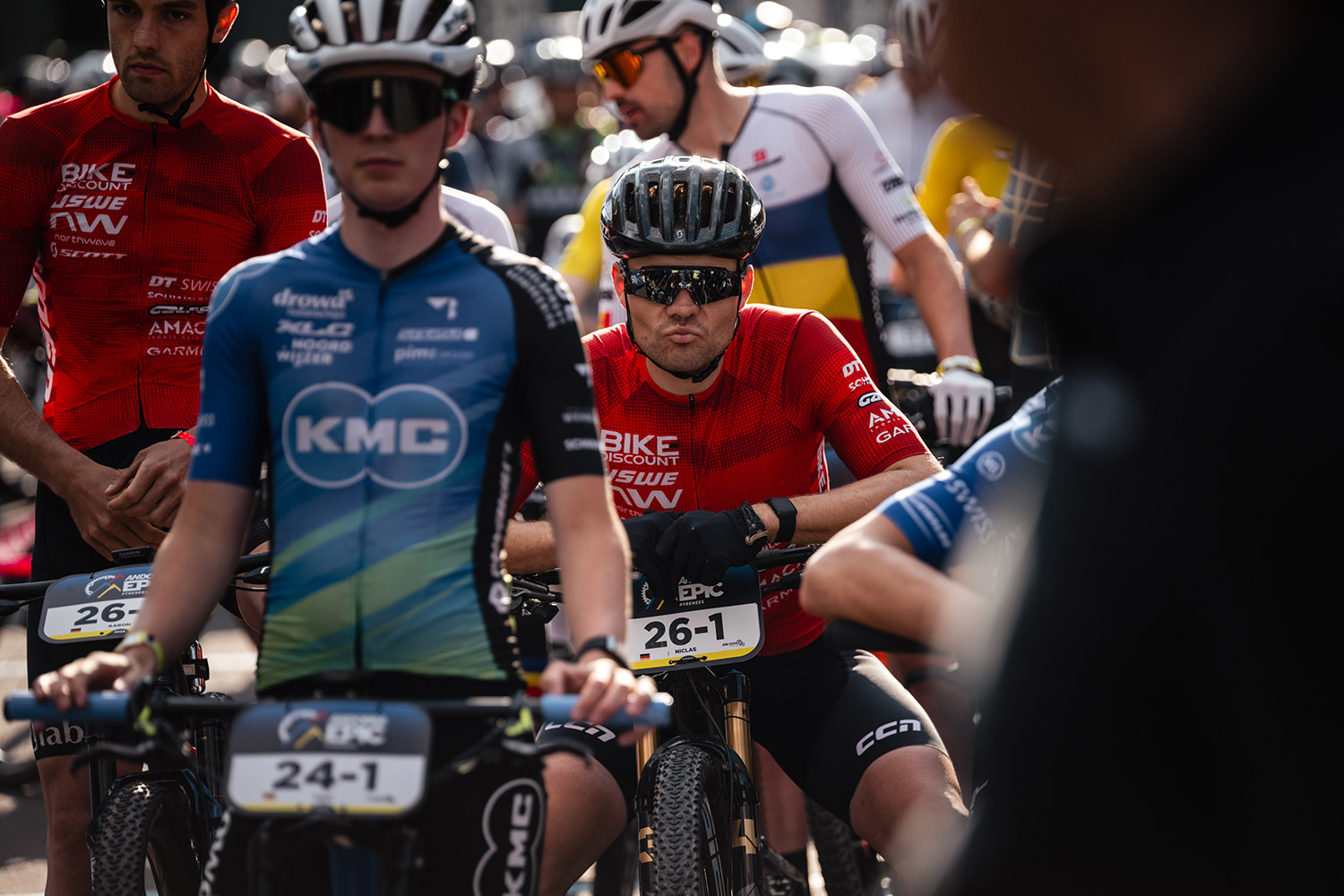
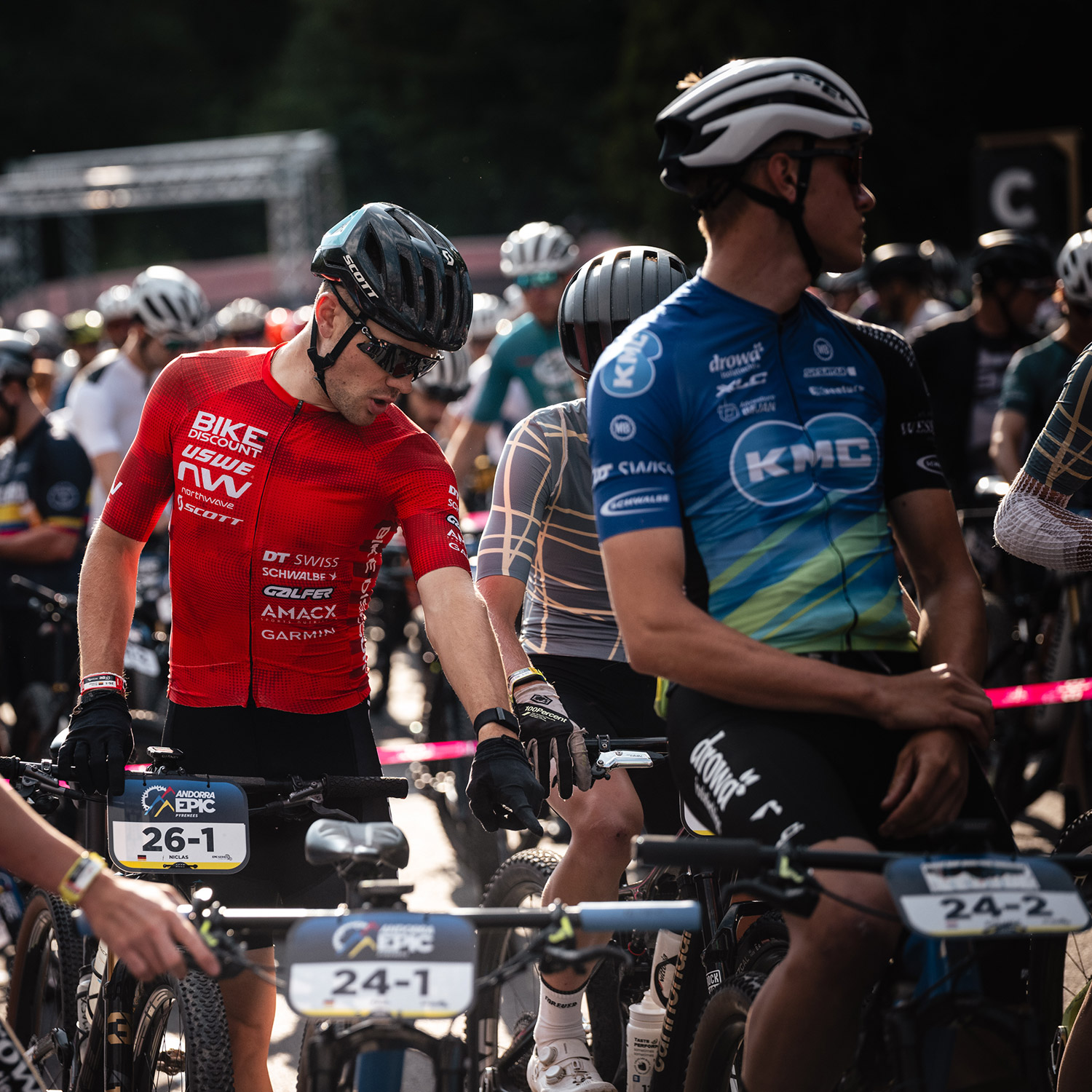
The first stage threw us straight into the deep end: 43 km with 1,625 meters of climbing. As with all races in the Epic Series, the field was stacked with top international teams.
The first climb took us from 1,200 meters up to an impressive 2,140 meters. We managed to settle into the front group, then the extended lead pack. Unfortunately, Aaron began to lose air from his rear tire, but we were able to fix it at the first feed zone.
On the second big climb, we regained a few positions and entered the final descent running around 9th place. But luck didn’t last: we both suffered tire burps in the final downhill. With about 2 km to go, we had to plug our tires and use CO₂ cartridges to get rolling again.
Despite the setbacks, we crossed the line in a respectable 12th place — a strong start under the circumstances.
Stage 2 – Friday: Struggling With Altitude
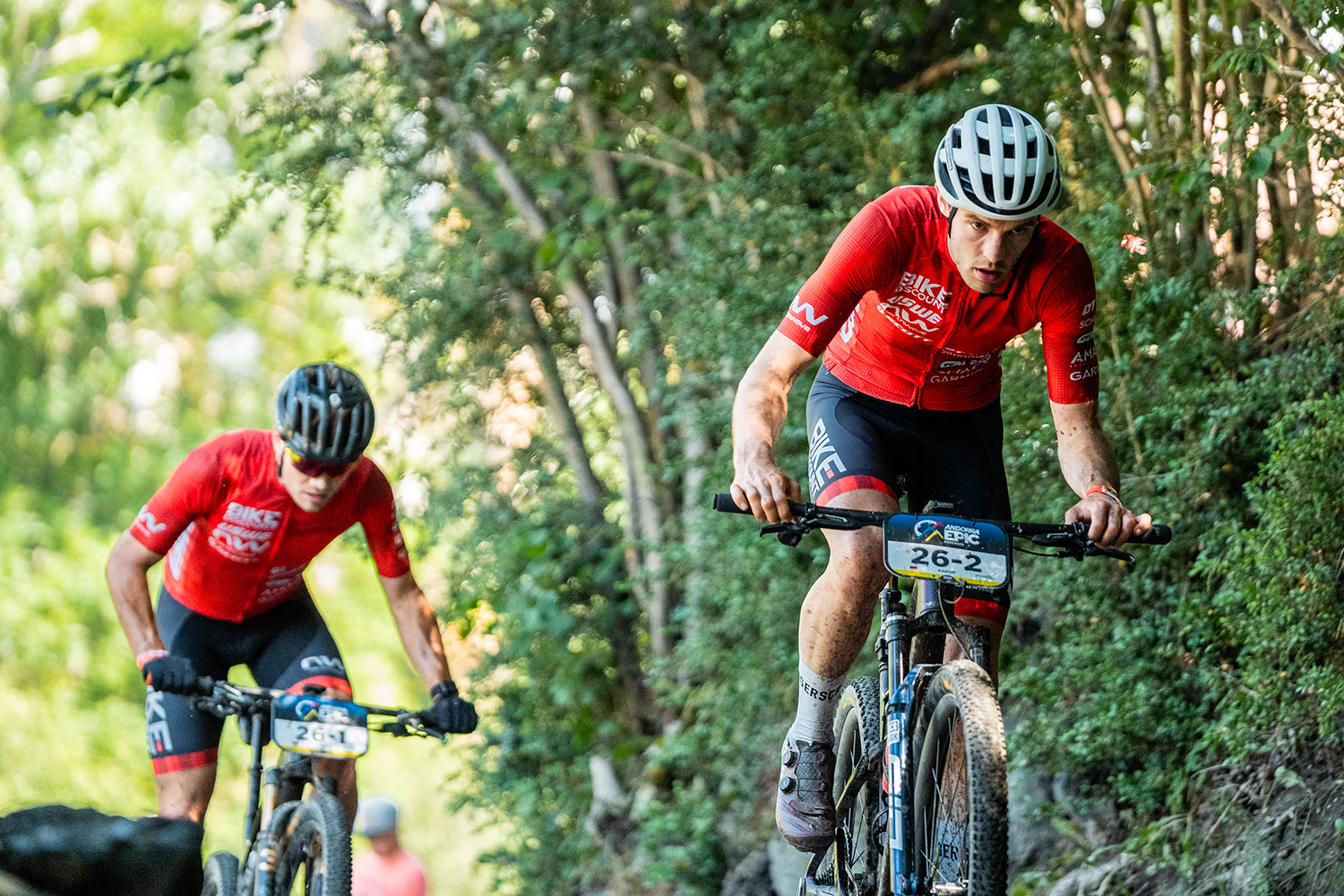
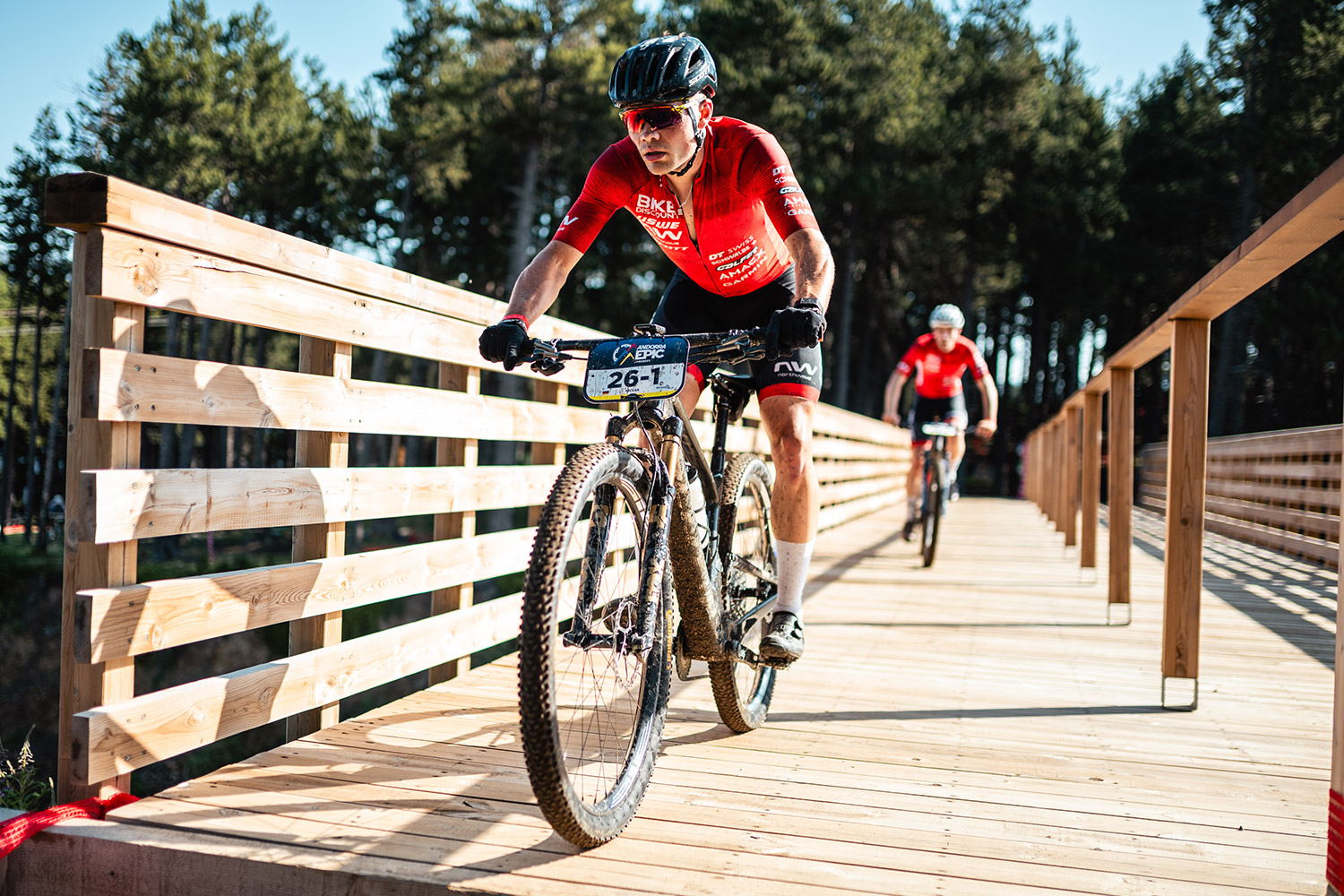
Stage two included 46 km and 1,300 meters of climbing — but a huge 1,950 meters of descending. The day started at the ski station Pal Arinsal, with the finish once again in La Massana.
The first 25 km were entirely above 2,000 meters — and the high altitude began to take a toll on me (Niclas). Especially on the descents, I had to back off, and a few mistakes crept in. The stage demanded far more than expected.
In the end, we finished 16th — a disappointing result, but one we could explain. Our equipment and nutrition were spot-on again, but the altitude pushed me to my limit. Still, we stayed positive heading into day three.
Stage 3 – Saturday: The Queen Stage
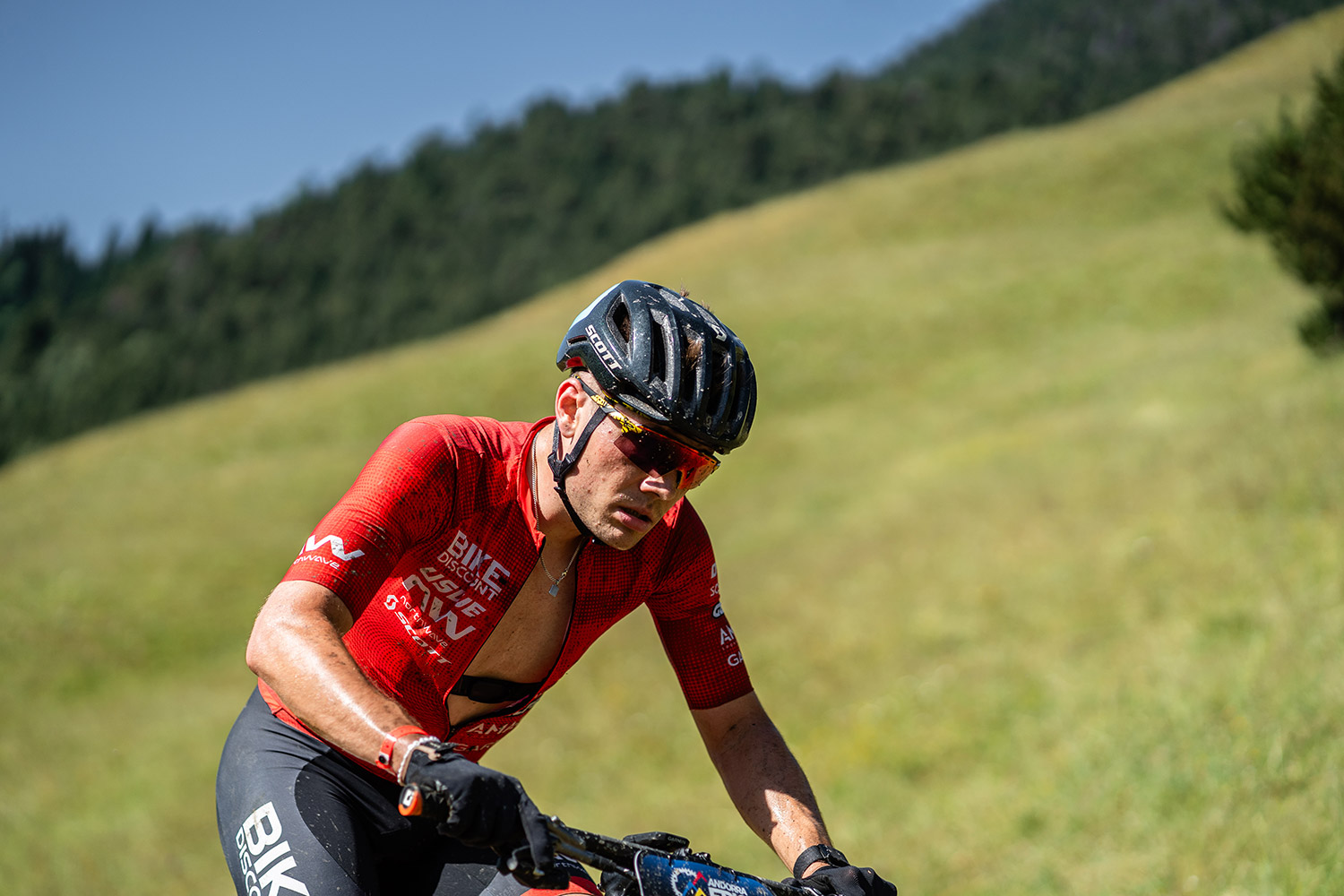
The queen stage featured 63 km with 2,400 meters of climbing and 2,700 meters of descending — a massive day we’d both been looking forward to.
The day began calmly with a long tarmac climb, but the first trail quickly turned chaotic. Slick rocks caused backups, and Aaron took a minor fall — luckily without consequence.
On the main climb of the day, we found a strong rhythm and pushed all the way to the highest point of the race: 2,560 meters. The legendary Mont Magic descent was even more technical than during recon, due to wet conditions. The second big climb — part asphalt, part trail — was also tough. And anyone thinking the stage was done after the final pass was wrong: a last technical uphill section and a long, energy-draining descent to the finish rounded things out.
We rolled across the line in 12th place — a result we were both proud of.
Stage 4 – Sunday: A Tough Final Day
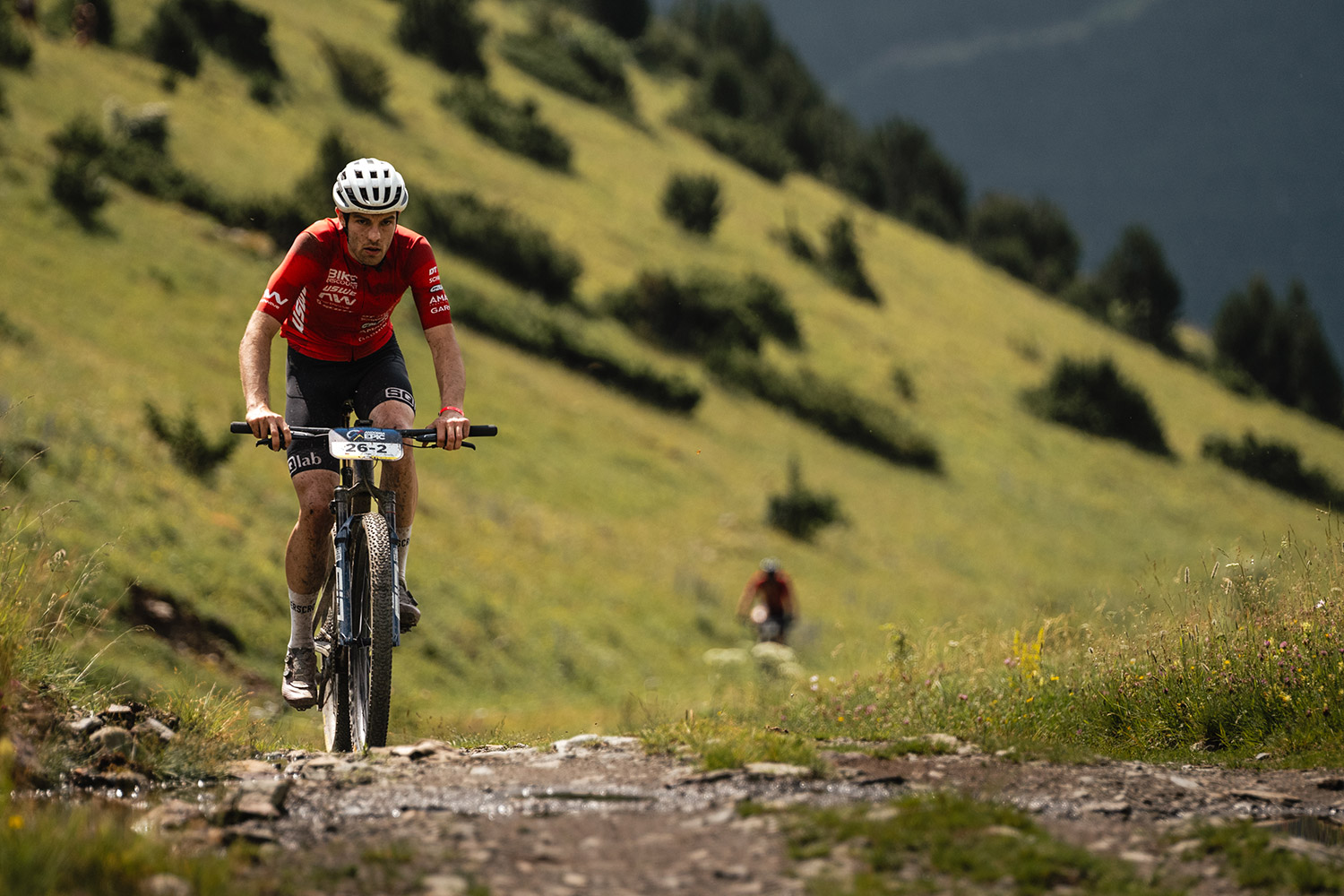
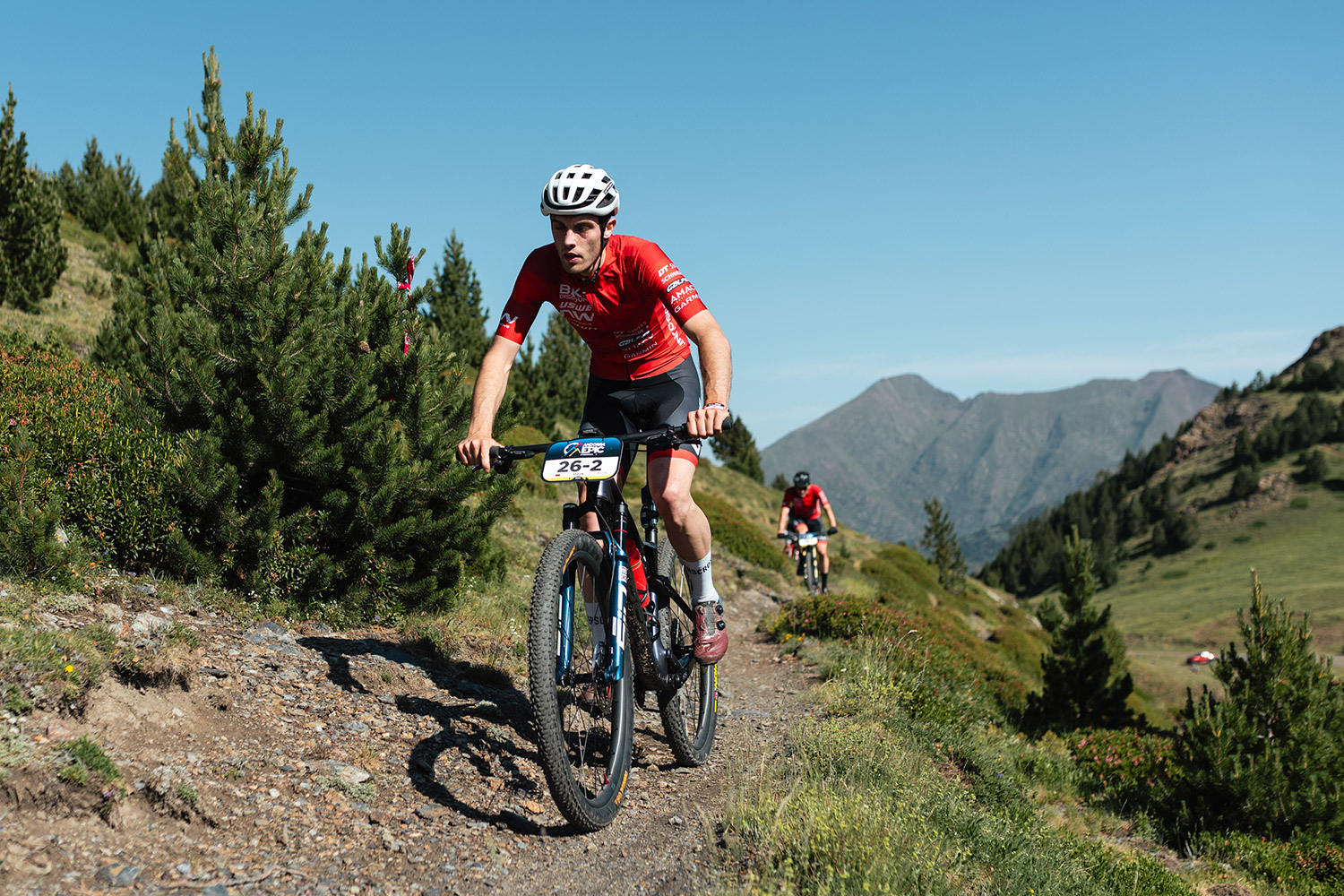
The final stage once again emphasized descending: 52 km, with 1,250 meters of climbing and 1,580 meters of descending — from Naturland back to La Massana.
We had to tackle most of the climbing right at the start — up to 2,140 meters. The following descent, with over 1,500 vertical meters, was highly technical and, due to damp conditions, occasionally even dangerous.
Unfortunately, I (Niclas) had a rough day. Right after the start, I realized I was missing power — the altitude once again got to me. I couldn’t ride at my usual pace, and our only goal became to finish safely.
To make things worse, my cleat came loose mid-descent — thankfully, we fixed it quickly. We crossed the finish in 18th place and wrapped up the Andorra Epic in 14th overall.
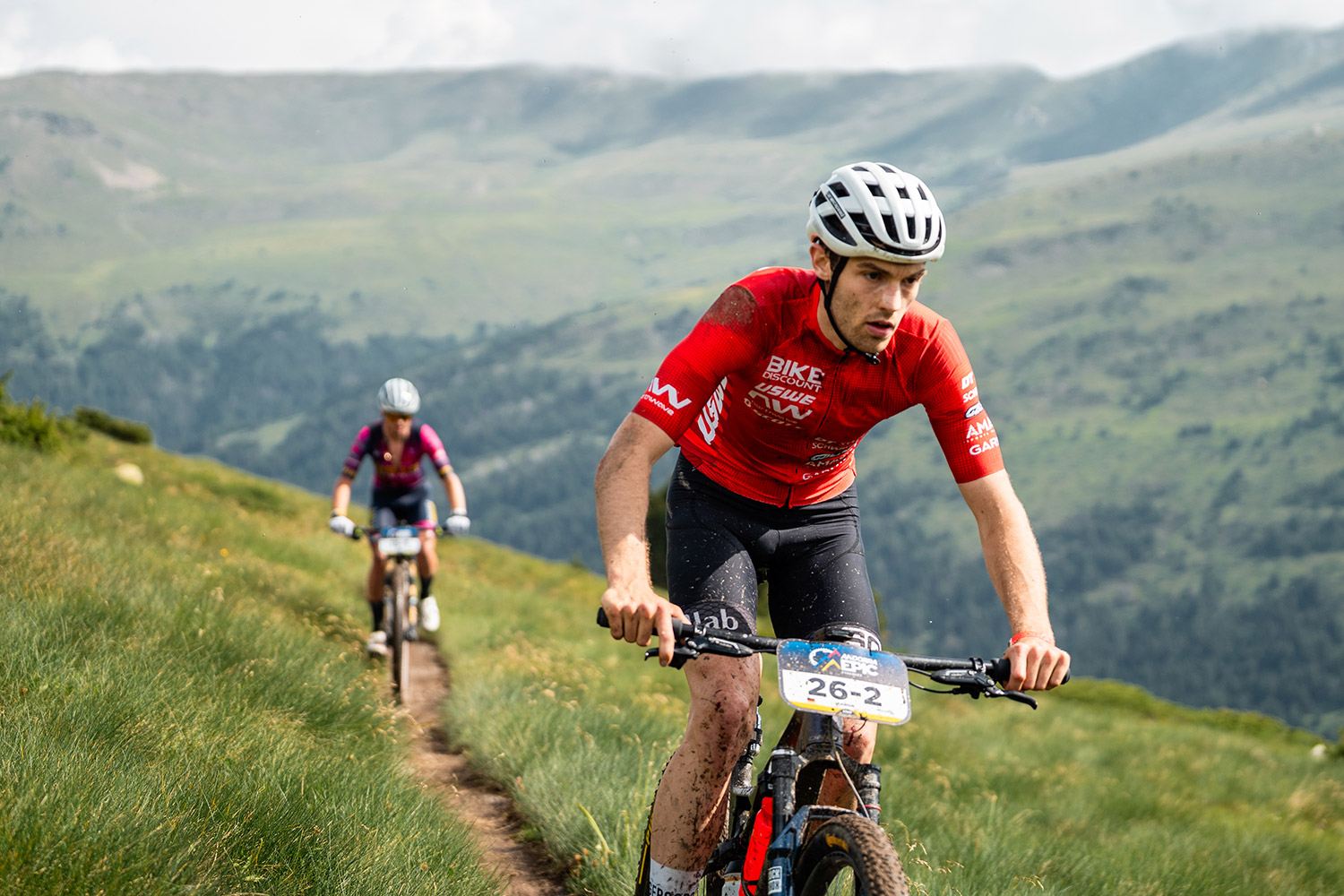
Final Thoughts: Altitude, Gear & Grit
Aaron was in excellent shape all week — he could have easily ridden further up the field. I struggled with the altitude the entire time and couldn’t perform at my usual level.
Technically, everything went smoothly apart from stage one. We were extremely happy with our setup: my new Garmin Edge MTB worked flawlessly and was a reliable companion. The Continental Dubnital tires also fully convinced us: the combination of “Rapid Compound” and “Race Casing” offered excellent grip and low weight. Apart from the single tire issue on day one, we had zero mechanicals — impressive on such demanding terrain.
All in all, we can highly recommend the Andorra Epic to anyone who enjoys technical trails, steep climbs, and spectacular landscapes. As expected from the Epic Series, the event was flawlessly organized and left nothing to be desired.
Now, all focus turns to preparing for the Swiss Epic, coming up in mid-August.