
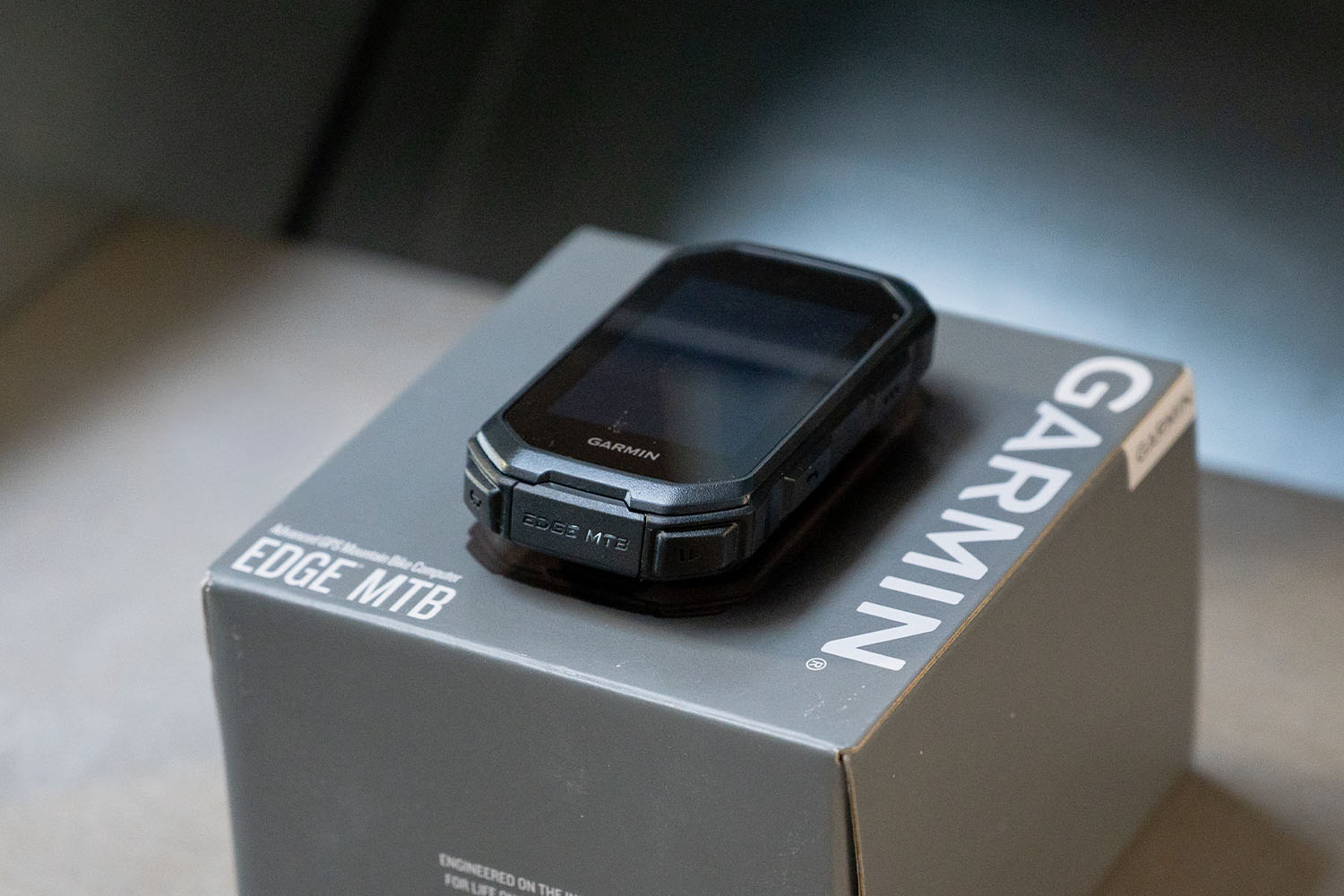
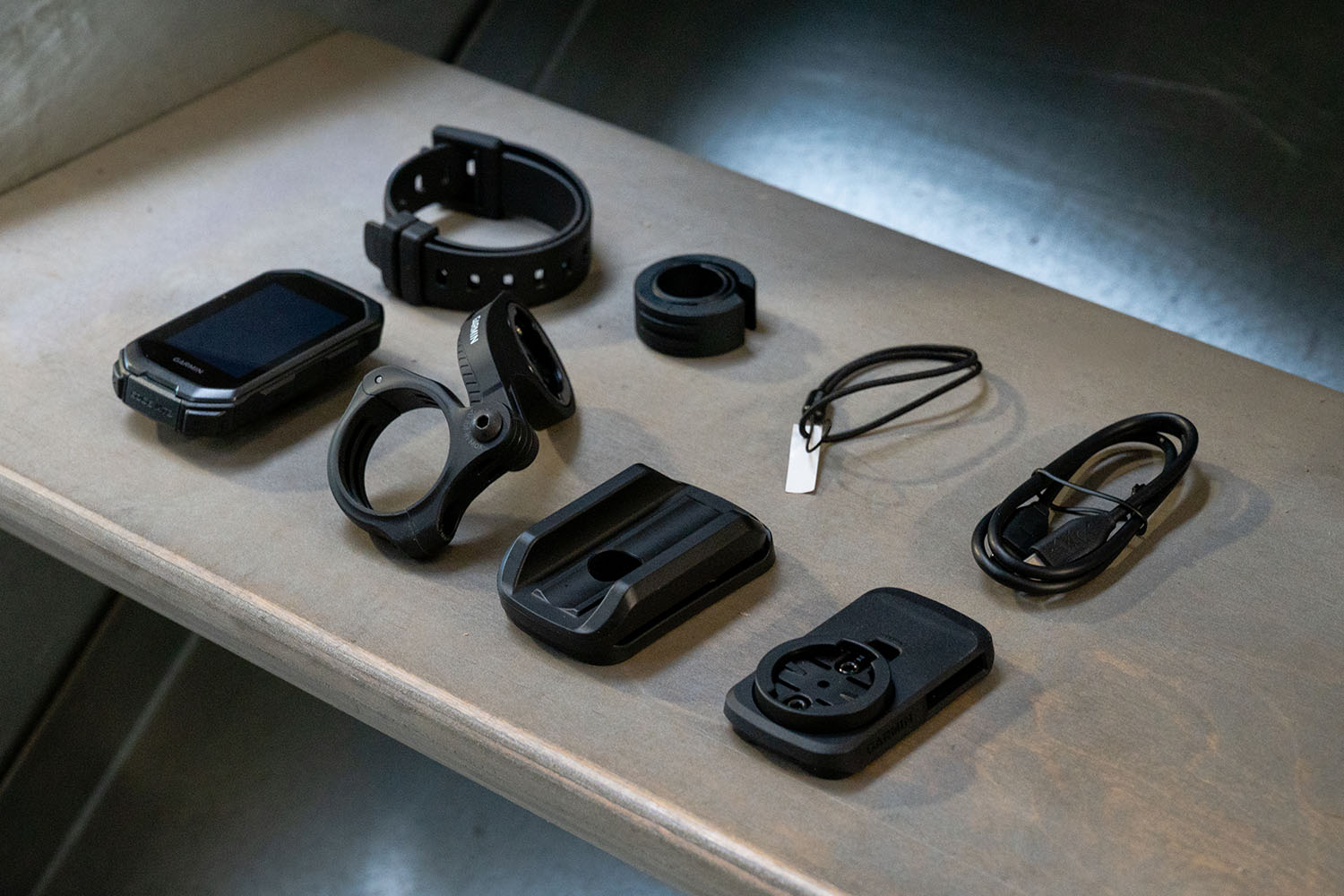
On June 17, 2025, Garmin shuffled the deck and introduced the Garmin Edge MTB. The name says it all: This device was developed uncompromisingly for mountain bikers. Whether you’re into Enduro, Downhill, or Trail riding – the Edge MTB aims to deliver where traditional cycling computers reach their limits. I’ve tested the device over the last few weeks in hard training and in race conditions. Is it the perfect companion for off-road riding? Here is my report.
Contents
Hard Facts – What’s inside the Garmin Edge MTB?
Before we hit the trail, let’s look at the raw numbers.
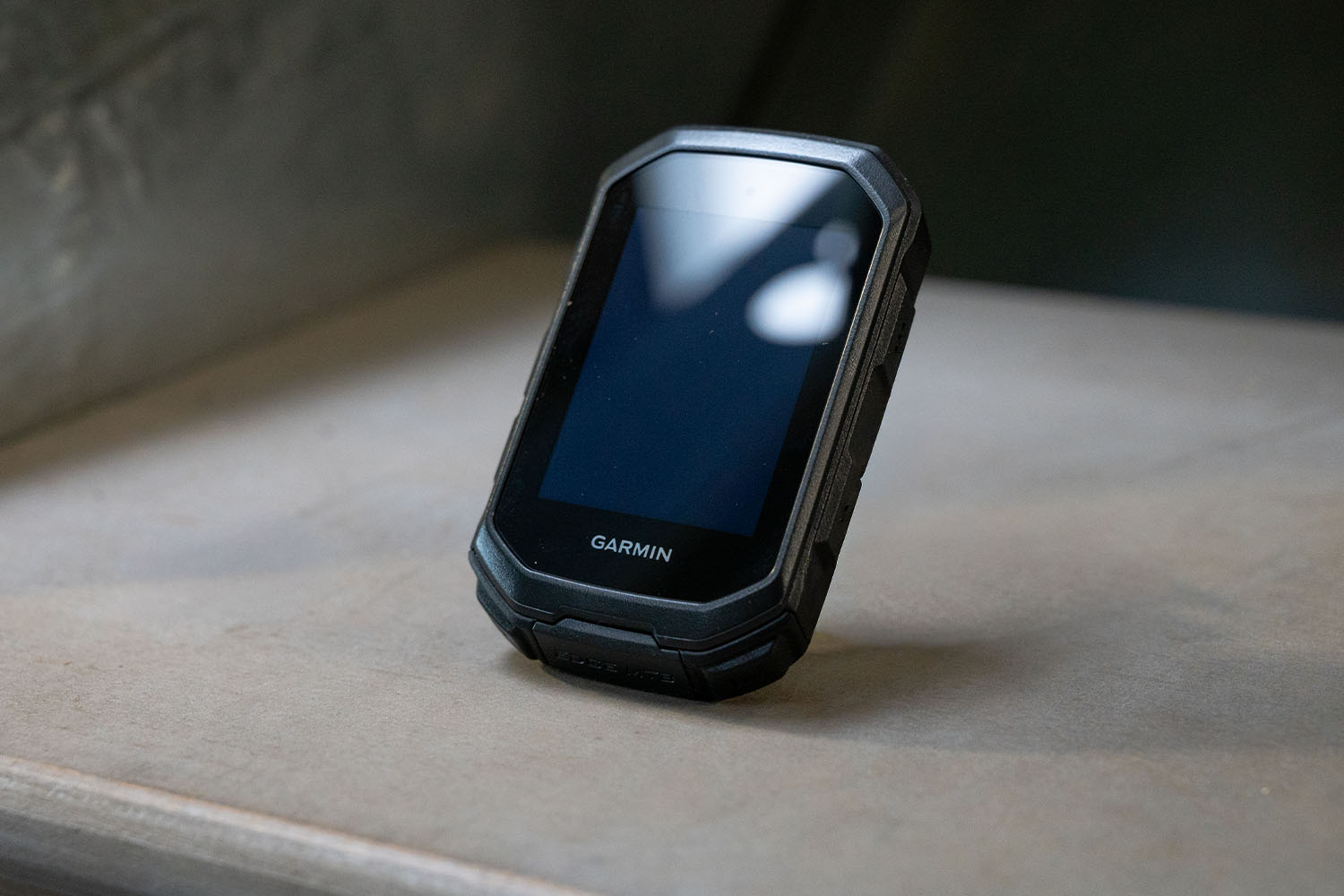
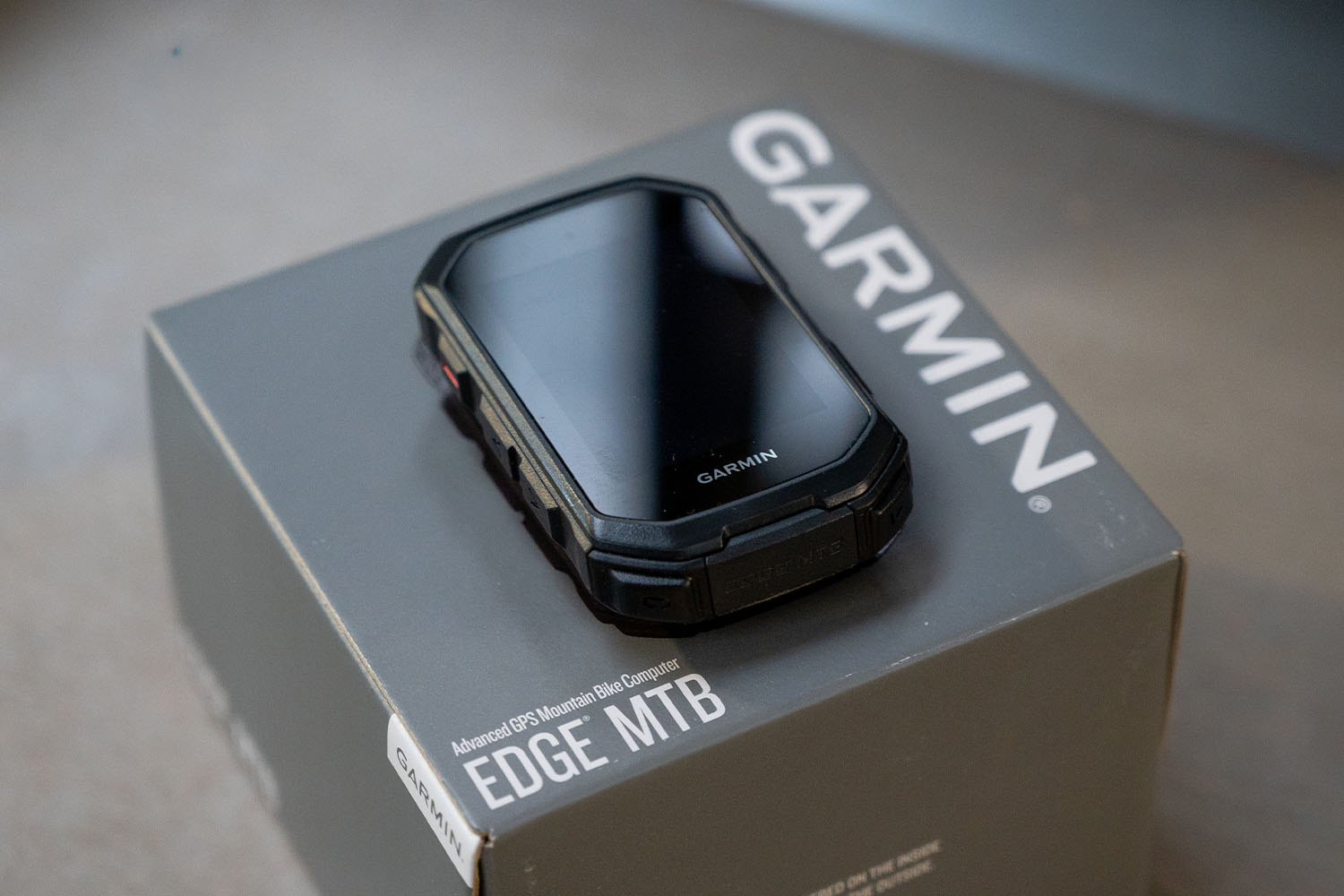
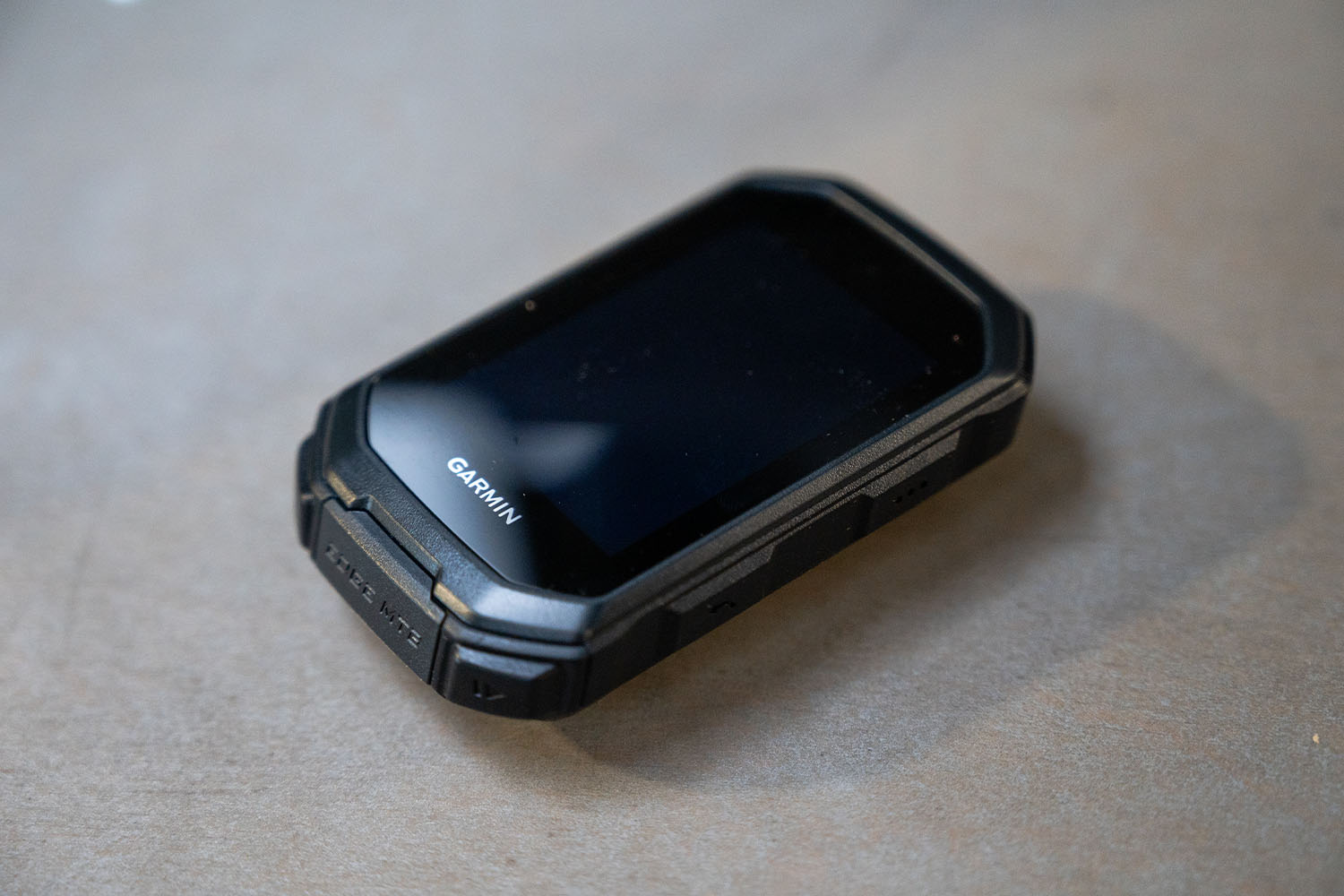
Dimensions & Weight The Edge MTB is significantly more compact than a Garmin Edge 540. Measuring 50.4 × 77.8 × 19.8 mm and weighing just 58 grams, it feels almost invisible on the handlebars. For comparison: An Edge 1050 tips the scales at 161 grams – so you’re saving over 100 grams. A massive plus for racers and anyone keeping an eye on their bike’s weight.
The Display Garmin uses a 2.13-inch color display, protected by Gorilla Glass. This is crucial for off-road use. I rode the Edge MTB through rain, mud, and dust for eight weeks. The result: no scratches, no clouding. Anyone who has ever wiped mud off a screen with a glove during a race will absolutely appreciate this resilient glass.
Storage & Battery With 32 GB of storage, there’s enough room for maps and training data (up to 200 hours). Plus the proven sensors: GNSS (GPS, Galileo, Glonass), barometric altimeter, gyroscope, and accelerometer. Regarding the battery, Garmin specifies 14 hours at full performance. In my test, I easily went several days of training without needing to charge. The power management is absolutely trail-ready.
Innovations – What makes it an “MTB” Edge?
Garmin has equipped the Edge MTB with features specifically tailored to us off-road riders to improve the trail experience:
- 5 Hz GPS Recording: Instead of once per second, your position is now recorded five times per second. This ensures extremely high data density. Especially for analyzing line choice on a PC later, this is a technical leap forward.
- Lift & Run Detection: The new Enduro and Downhill profiles automatically recognize whether you are sitting in a lift/shuttle or are on a downhill run. This means: No more pressing the pause button in the shuttle! Your runs are recorded separately and cleanly – ideal for bike park use.
- Split Timing: A strong feature for racers. You can set virtual “gates” and compare your times on repeated descents. Perfect for objectively testing different lines against each other.
- Trailforks & Forksight: Trailforks maps come pre-installed. If you reach a junction, the “Forksight” function automatically displays which trails start there and the difficulty level.
Everyday Impressions
I like it when technology helps me without distracting me. I want to see my 3s power, heart rate, cadence, and distance.
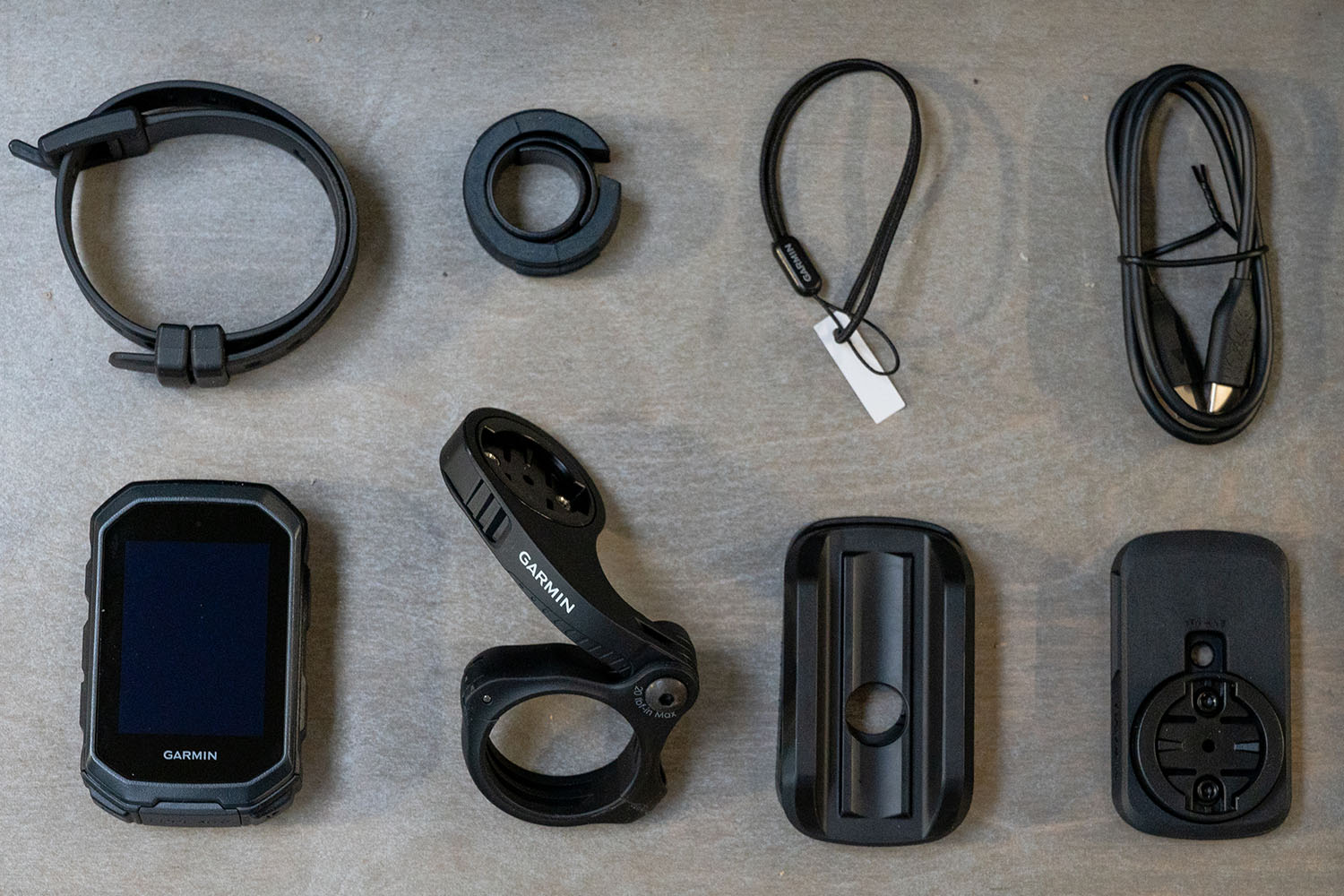
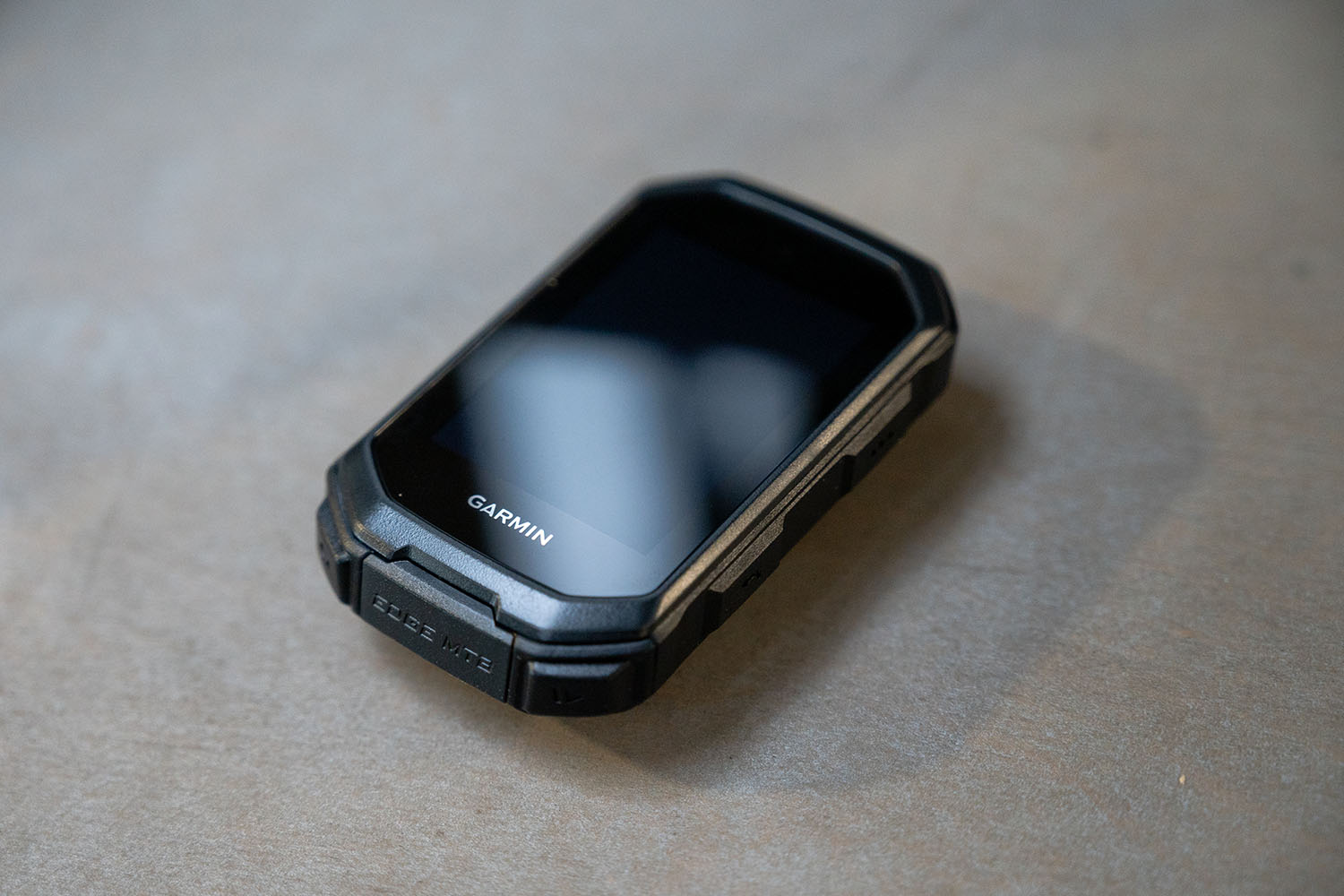
The Edge MTB won me over here. It is small, light, and feels bombproof. The design is functional and robust – built for the worst-case scenario. The button operation is classic Garmin – it simply works, even with wet gloves, which is often superior to touchscreens in off-road terrain.
The connectivity is also convincing: Bluetooth, ANT+, and USB-C are on board, plus seamless integration into Garmin Connect. The numerous notifications and alerts can be individually configured so that every rider gets exactly the information they need at that moment.
The Field Test: Racing
The Edge MTB had to perform for me on 12 race days – including real mud fests and continuous rain at the Swiss Epic. My conclusion: The device runs absolutely reliably. No failures, no operating issues.
I was particularly positively surprised by the altimeter. Extreme weather is often a challenge for barometers. With the Edge MTB, the data remained precise even during thunderstorms on the last Swiss Epic stages. This provides security when you are in alpine terrain and want to know exactly how much elevation gain is still ahead of you.
Verdict – Small, Robust, Specialized
The Garmin Edge MTB is a specialist. If you primarily play in the dirt, race Enduro, or want to refine your line choice in the bike park, you get a tool tailored to the job.
I am convinced above all by the low weight, the robustness, and the reliability in wet conditions. The new features like automatic run detection and high-frequency GPS recording show that Garmin has really thought about the needs of mountain bikers here. It is a genuine partner for the trail that easily handles even the toughest conditions.
